
Views: 229 Author: Site Editor Publish Time: 2025-12-02 Origin: Site


String lights have become a staple in decorating both indoor and outdoor spaces. Whether it's to create a cozy atmosphere, add a festive touch, or light up a dark corner, these twinkling lights are both functional and aesthetically pleasing. However, when choosing string lights, one of the key decisions revolves around whether to go for battery-powered or plug-in models. While both types serve the same purpose, their applications, advantages, and limitations differ, and understanding these nuances can help make the right choice for your needs.
This article will delve into the pros and cons of battery vs plug-in string lights and offer guidance on when and where each is best used, helping you make an informed decision based on your specific requirements.
Before we dive into the pros and cons of battery vs plug-in string lights, it’s essential to understand how each works. Both types feature a string of LED or incandescent lights arranged along a flexible wire, but the major difference lies in their power source.
Battery-Powered String Lights: These lights are powered by disposable or rechargeable batteries, typically using AA or AAA sizes, although some models use larger battery packs. The lights operate without the need for a nearby electrical outlet, which provides greater flexibility in placement.
Plug-in String Lights: As the name suggests, these lights require a direct connection to an electrical outlet. This is usually achieved via a plug and cord, which limits the placement of the lights to areas near power sources unless you use an extension cord.
Understanding this basic difference sets the foundation for evaluating the pros and cons of each type.
Battery-powered string lights have gained significant popularity, especially for those who require flexibility in lighting placement. Here are the key benefits:
Battery-operated lights can be used virtually anywhere, regardless of proximity to power outlets. This makes them perfect for creative, non-traditional placements, such as in remote outdoor areas, centerpieces, wreaths, or draped over furniture where access to electricity might be limited.
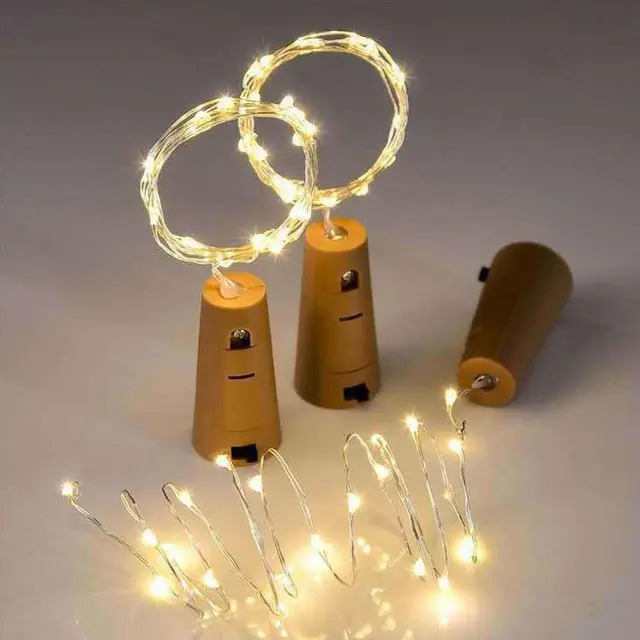
With no need to worry about plugging into an outlet, battery-powered string lights are generally easier to set up. You can hang them anywhere and place them without needing to consider cord length or the need for an extension cord.
Because these lights run on low-voltage power sources like batteries, they tend to be safer, especially in areas where electrical safety might be a concern. This is particularly important when placing lights in areas with pets, children, or around flammable materials.
Battery-powered lights are often available with built-in timers and remote controls, adding to their convenience. They’re also available in a wide variety of shapes, colors, and sizes, making them ideal for both functional and purely decorative uses.
While battery-powered lights certainly offer convenience, plug-in string lights bring their own set of advantages, especially for larger or more permanent installations. Let’s explore these:
Plug-in lights benefit from an unlimited power supply, meaning they can stay lit for longer periods without worrying about battery drain. This makes them ideal for settings where long-term lighting is needed, such as for parties, outdoor patios, or as permanent room décor.
Since plug-in lights have access to a direct power source, they can often provide a brighter, more consistent light output compared to battery-powered models. This is particularly important when you need lighting that’s both decorative and functional, such as illuminating a large space.
For extensive applications like stringing lights across a large tree, across rooftops, or around large patios, plug-in lights are generally more reliable. They can handle the additional load without the risk of draining batteries, making them ideal for bigger lighting projects.
While plug-in string lights may have a higher upfront cost, they often prove to be more cost-effective in the long run since you don’t have to continually replace batteries. This makes them a better investment for permanent or long-term lighting solutions.
Despite their numerous benefits, battery-powered string lights do have some limitations:
The most significant downside of battery-operated string lights is their limited battery life. Depending on the type of battery and the number of lights, you may find yourself needing to replace batteries frequently. This can be time-consuming and costly over time.
As the battery drains, the brightness of the lights tends to fade, which can affect the overall aesthetic. You may find that your lights are much dimmer after a few hours of use, especially with cheaper batteries.
Battery-powered lights require regular maintenance in terms of battery replacement, which can add up over time. Additionally, cheap or low-quality batteries can quickly lose their charge, leaving you with lights that don’t stay on as long as you’d like.
While battery-powered lights are excellent for small areas, they can struggle to light up larger spaces effectively. For larger events or more expansive decorative setups, plug-in lights might be a better solution.
Although plug-in lights offer many advantages, they also have a few drawbacks:
Since plug-in string lights require access to a power outlet, your placement options are restricted to areas within reach of an electrical source. This means you may need to plan carefully or use extension cords, which could detract from the aesthetics of your setup.
If you’re using extension cords or placing plugs in areas prone to dampness (like gardens or outdoor spaces), there’s an increased risk of electrical hazards. Additionally, tangled or visible cords can create tripping hazards in busy areas.
Plug-in lights often require more thought and effort during installation due to the need to manage cords. Depending on where you want to place them, you might need to work around obstacles like furniture, outlets, and extension cords.
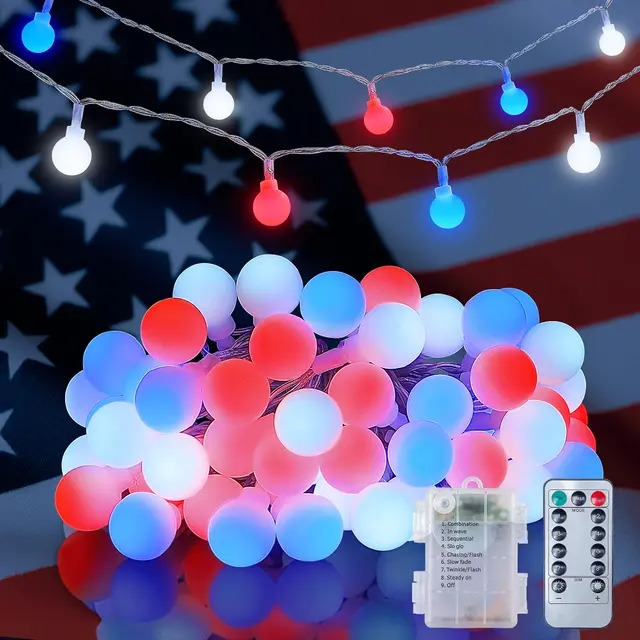
Battery-powered string lights are ideal in situations where portability, flexibility, and safety are key considerations. Here are some of the best use cases:
Indoor Decor: Perfect for bedrooms, living rooms, and even dorm rooms where there might not be an easy access point to an outlet.
Outdoor Events: Excellent for temporary outdoor parties or picnics, where outlets may not be available.
Holiday Decorations: For Christmas trees, wreaths, or small window decorations.
Crafts and DIY Projects: Whether it’s for a handmade centerpiece or wreath, battery-powered lights add a magical touch without needing a plug-in power source.
For more permanent, larger, and brighter lighting applications, plug-in string lights shine. Some of their best use cases include:
Outdoor Patios and Gardens: Long-term lighting solutions for backyard patios, pergolas, and trees where bright, consistent lighting is needed.
Large-Scale Events: Weddings, parties, and festivals where large numbers of string lights are required.
Indoor Permanent Decor: Use for lighting up large spaces like living rooms, dining areas, or hanging from high ceilings.
Seasonal Installations: Christmas lights, where long hours of illumination are required, are best served by plug-in lights.
The decision between battery vs plug-in string lights ultimately depends on the specific needs of your lighting setup. Battery-powered string lights are ideal for smaller, flexible installations where portability and safety are a priority, while plug-in lights are better suited for larger, long-term projects that require consistent, high-intensity lighting.
If you need lights for a quick, temporary setup or have no access to power outlets, battery-powered lights are the clear winner. On the other hand, for bigger events or permanent installations, plug-in string lights offer reliability, brightness, and long-lasting performance.
1. Can battery-powered string lights be used outdoors?
Yes, many battery-powered string lights are designed for outdoor use, but it’s important to check the product specifications for weatherproof features.
2. How long do batteries last in string lights?
Battery life depends on the type of battery used and the number of lights. On average, AA batteries can last anywhere from 4 to 100 hours, depending on the light’s brightness and settings.
3. Are plug-in string lights more expensive than battery-powered ones?
Plug-in string lights may have a higher upfront cost but tend to be more economical over time, as you don’t need to replace batteries.
4. Can you use an extension cord with plug-in string lights?
Yes, you can use an extension cord with plug-in string lights, but it's important to ensure that the extension cord is rated for outdoor use if you're using it outside and that it’s safely managed to avoid tripping hazards.


